FREE SHIPPING on orders of 4,000 TL or more



Blog
Why Have We Lost Our Connection to Nature? The Disconnection Between Plants, Animals, and Humans

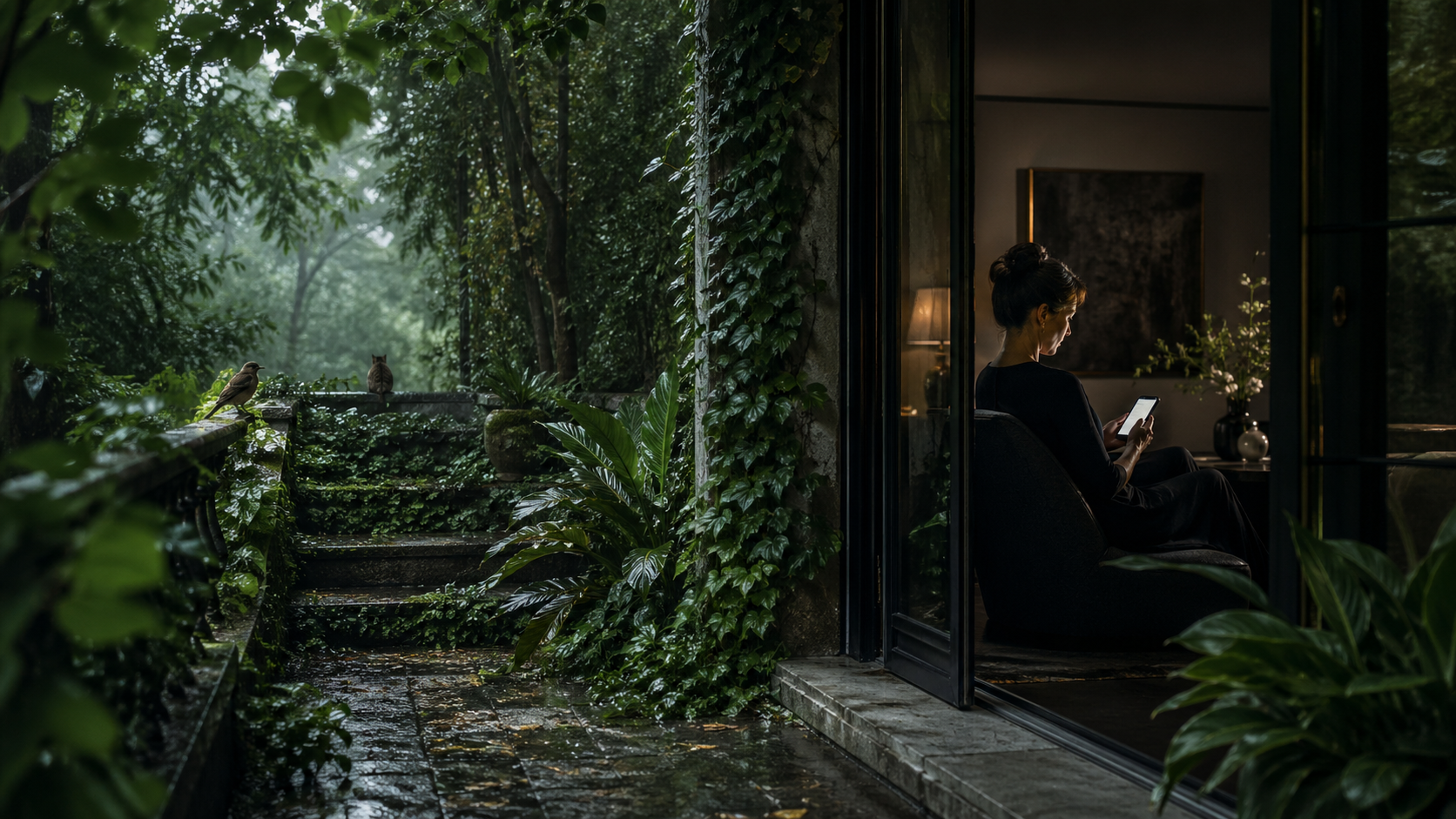
Reflections on the Loss of Our Connection to Plants, Animals, and Nature
Modern humans have not merely distanced themselves from nature. As they have distanced themselves, they have also lost scent, touch, patience, the changing seasons, and silence.
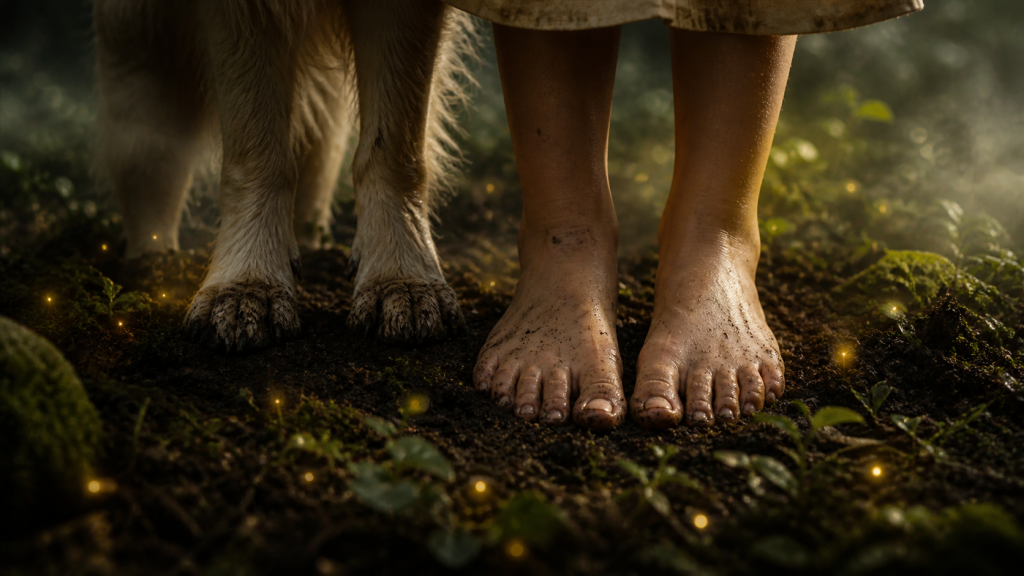
Today, most of us notice the image of a tree rather than its shade, a photograph of a flower rather than its scent, and the cute appearance of an animal rather than its very presence. The earth has ceased to be a living ground beneath our feet; more often than not, it has become the cause of our dirty shoes. Plants are no longer seen as living beings with whom we coexist; they have come to be viewed as items crammed into a list of decor, content, products, or benefits.
Yet humans were not born as beings separate from nature. For a long time, we learned from nature what to eat, when to stop, where to take shelter, which scent signaled danger, which sound brought news, and which plant offered support. We read the weather from the movements of animals, rain from the scent of the soil, and the season from the state of the leaves.
Today, however, while we possess much of this knowledge, we have forgotten how to read these signs. This is where the real loss began.
Why Was Connecting with Nature Such a Fundamental Need?
The relationship between humans and nature is not merely a romantic idea. This relationship is the oldest part of the human way of survival.
For our ancestors, nature was life itself. Plants were observed, smelled, waited for, and harvested when the time came. Animals were not merely domesticated; their tracks were followed, their behaviors interpreted, and their cycles understood.
Connecting with nature meant not only understanding one’s surroundings but also understanding oneself. Because in nature, nothing grows without interruption. Everything has its time: the time for sprouting, blooming, bearing fruit, withering, and beginning anew…
Plants teach humans patience.
Animals teach us to pay attention.
The earth teaches us that not everything happens at once.
And the seasons remind us that change is not a catastrophe, but an order.
This is precisely what modern humans have forgotten. Nature is far more than just a habitat; it is the oldest mirror that sets the rhythm of the human soul.
How Did Our Disconnection from Nature Begin?
The disconnection from nature didn’t happen overnight. First, cities grew. Then, time sped up. After that, screens diverted people’s attention away from the earth, scents, and seasons and toward bright screens.
Today, when many people wake up in the morning, they look at their phones instead of the sky. They check their notifications rather than the humidity in the air. Weeks can pass without them noticing that a tree has put out leaves, a flower has bloomed, or that birds have changed their songs with the seasons.
This is not merely a distancing from nature; it is the gradual atrophy of the senses.
Our sense of smell is weakening.
Our sense of touch is diminishing.
Our connection to the earth is being severed.
Our relationship with animals is either overly romanticized or completely severed.
Our bond with plants, meanwhile, is often reduced to the question, “What is it good for?”
Yet plants are not merely a list of benefits.
Animals are not just cute images.
Nature is not just a vacation destination to escape to.
Each of these is a living point of contact that enables humans to connect not only with the outside world but also with their inner world.
What Has Modern Humanity Lost by Disconnecting from Nature?
Being disconnected from nature is not merely about being far from greenery. With this disconnection, humans also lose their own inner rhythm.
This is because the human body still functions according to nature’s rhythm. It responds to daylight, darkness, the seasons, movement, scent, sound, and touch. Yet modern life constantly disrupts this natural rhythm.
Constant stimulation, constant speed, and a constant state of decision-making wear down the human nervous system. The mind remains on high alert at all times. The body cannot rest. Attention becomes fragmented. An indescribable restlessness builds up inside.
For this reason, the fatigue of modern humans is often not merely physical. It is a fatigue of the senses and of connections.
When people become disconnected from nature, they do not merely distance themselves from trees; they also distance themselves from their own inner nature. They struggle to understand when to rest, when to step back, and when they are ready to sprout anew.
Because they now read themselves not from the seasons, but from calendars.
They find their way not from the earth, but from screens.
They take their cues not from their bodies, but from the pace of the outside world.
Why Is Connecting with Plants Important?
Connecting with plants begins with truly noticing a plant and accepting its timing.
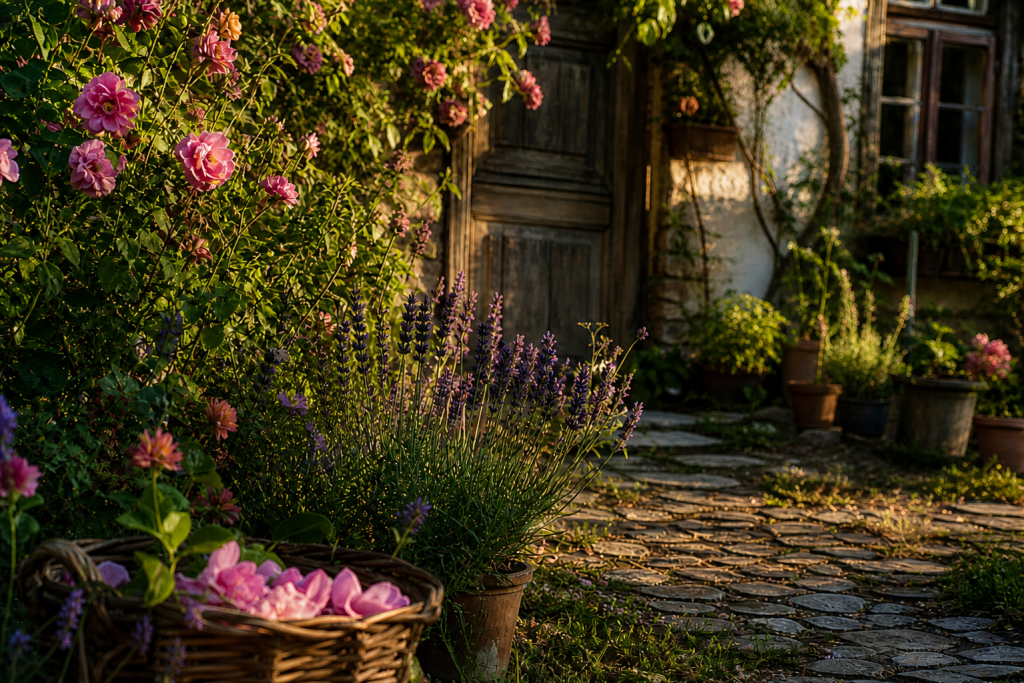
Seeing that lavender doesn’t bloom immediately, that a fig tree comes to life slowly, and that St. John’s wort appears in its own time—this also tells us something about our own inner processes.
Plants do not rush. They do not show off. They know their own time.
That’s why living with plants teaches us to slow down. Noticing the scent of a leaf, seeing the potential a flower holds while still a bud, breathing in the changing scent of the earth after rain… These may seem like simple things, but they send a message to the human nervous system: “You’re safe, you’re here, you can return to the present.”
Aromatic plants are among the strongest carriers of this connection. Rosemary clears the mind, thyme grounds you, lavender soothes, and rose refines the emotions. But what matters isn’t just which plant is good for what. What truly matters is reconnecting with plants.
Yes, you benefit from a plant simply by consuming it. But when you form a bond with it, you learn something from it.
The Loss of Connection with Animals: A Silent Isolation
Our bond with animals is one of the areas that most directly reflects humanity’s relationship with nature. This is because animals do not easily submit to humanity’s desire for control. They have their own rhythms, instincts, attentiveness, and boundaries.
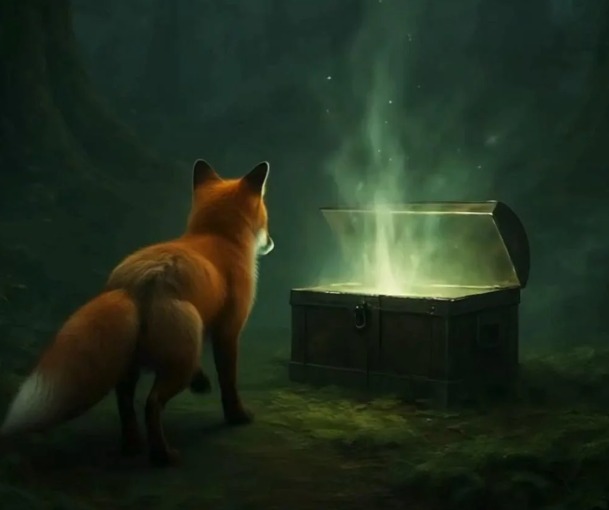
A cat calmly protecting her kittens, a dog tracking by sniffing the ground, a turtle waking up with slow but steady steps, a fox coming every evening at the same time to drink water… These are not merely charming scenes of nature. They remind us of a form of attention that humans have forgotten.
Animals live in the moment.
They listen with their bodies.
They read through scent.
They navigate by sound.
They sense danger not through mental analysis, but with their entire being.
Modern humans, however, often live disconnected from their own bodies. That is why contact with animals not only strengthens feelings of love or compassion but also enhances bodily awareness.
When you truly connect with an animal, your pace slows. Your voice changes. Your movements soften. Your attention returns to the present moment.
Perhaps this is why a person who loses their connection with animals also loses their connection with their own intuitive side.
When Nature Becomes Merely a Landscape
When nature becomes merely a landscape for humans, the relationship formed with it also becomes superficial.
A beautiful tree is seen, but its shade is not felt.
A photo of a flower is taken, but its scent goes unnoticed.
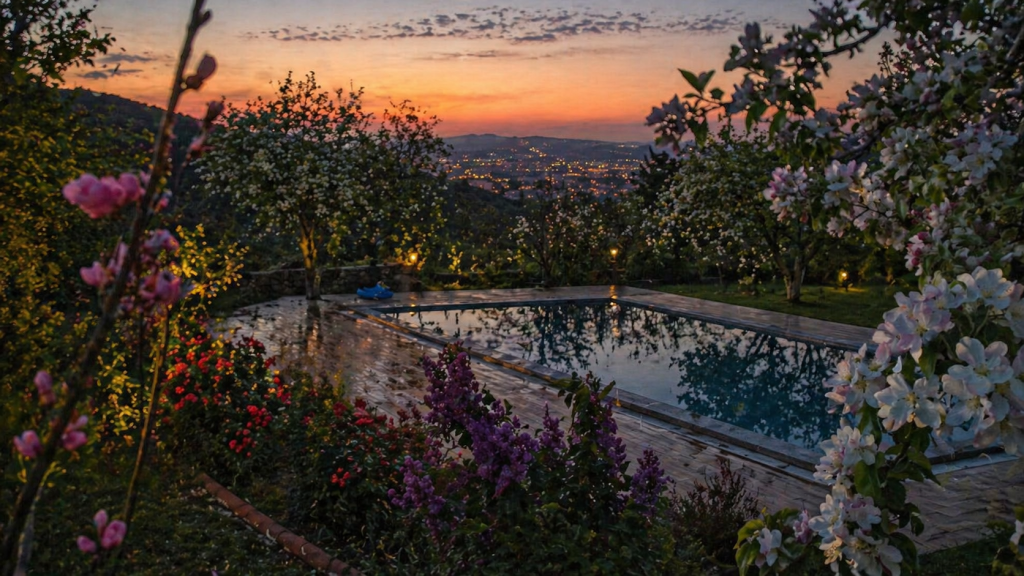
A garden is gazed upon, but the moisture of the soil, the sound of birds, the movement of insects, and the direction of the wind are not perceived.
In this situation, nature is still there, but humans no longer live with it. They merely look at it.
This is precisely what the loss of connection with nature entails: seeing what exists but failing to engage with it.
Yet nature exists not to be merely observed, but to be engaged with. And humans, too, heal not merely by looking, but by engaging.
Is It Possible to Reconnect with Nature?
Yes, it is possible. But it doesn’t require major decisions, radical life changes, or fleeing to distant places.
Reconnecting with nature often begins with small, repeated moments of contact.
By learning the name of a plant.
By looking at the same tree every day.
By noticing the scent of the earth after the rain.
By observing an animal’s behavior.
By trying to hear what the season is saying in your own garden, on your balcony, or along the path you walk.
Don’t be fooled by how simple these practices may seem. People often reclaim their most fundamental connections through the simplest of interactions.
What Does This Connection Mean for Terra di Simana?
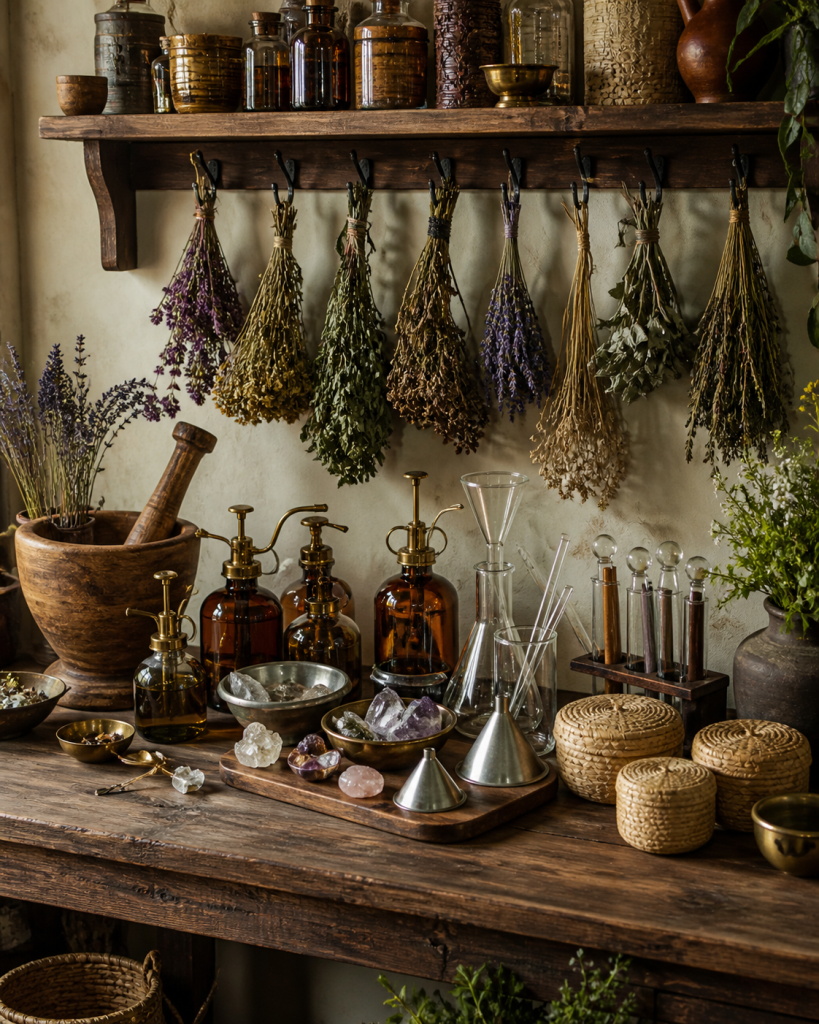
The essence of Terra di Simana is not to reduce nature to a mere material. Nor is it simply putting a plant in a bottle, turning a scent into a product, or reducing a ritual to a set of instructions. The true aim is to open small doors that will help people rediscover their forgotten connection with nature.
A scent can sometimes evoke memories of a garden.
An oil brings the body back to the center.
A plant awakens ancient knowledge within a person.
That is why, at Terra di Simana, plants are the carriers of the story, the earth, the season, and remembrance.
Closing: The Lost Connection Can Be Restored
The loss of our connection to plants, animals, and nature is also a weakening of the senses, intuition, rhythm, and inner balance.
But this bond is not completely severed—it is merely forgotten.
It reveals itself anew in the scent of the earth after rain, in a tree’s first leaf, in the silence of a cat hiding its kittens, in the alertness of a fox coming to drink water at dusk, and in the fragrance carried by lavender even before it blooms.
Nature constantly reminds us of the same thing: You are not separate from this place.
And perhaps this is what modern humans need most of all. Not more information, not more speed, not more solutions.
A little more connection.
A little more attention.
A little more slowness.
Because as humans draw closer to nature, they do not merely find nature—they also find their own lost selves.
Every bond reestablished with nature is a quiet yet powerful step toward a person’s inner balance. To discover our natural aromatherapy products and herbal blends, inspired by the unique nature of the foothills of Mount Uludağ, visit our Terra Di Simana website. Follow our @terradisimana Instagram account to stay updated on our new nature-inspired posts, rituals, and shares. We believe that healing lies in the connection we reestablish with nature; we are delighted to accompany you on this journey.