FREE SHIPPING on orders of 4,000 TL or more



Blog
What Is Burnout? Why Do the Mind and Nervous System Become Exhausted in Modern Life?

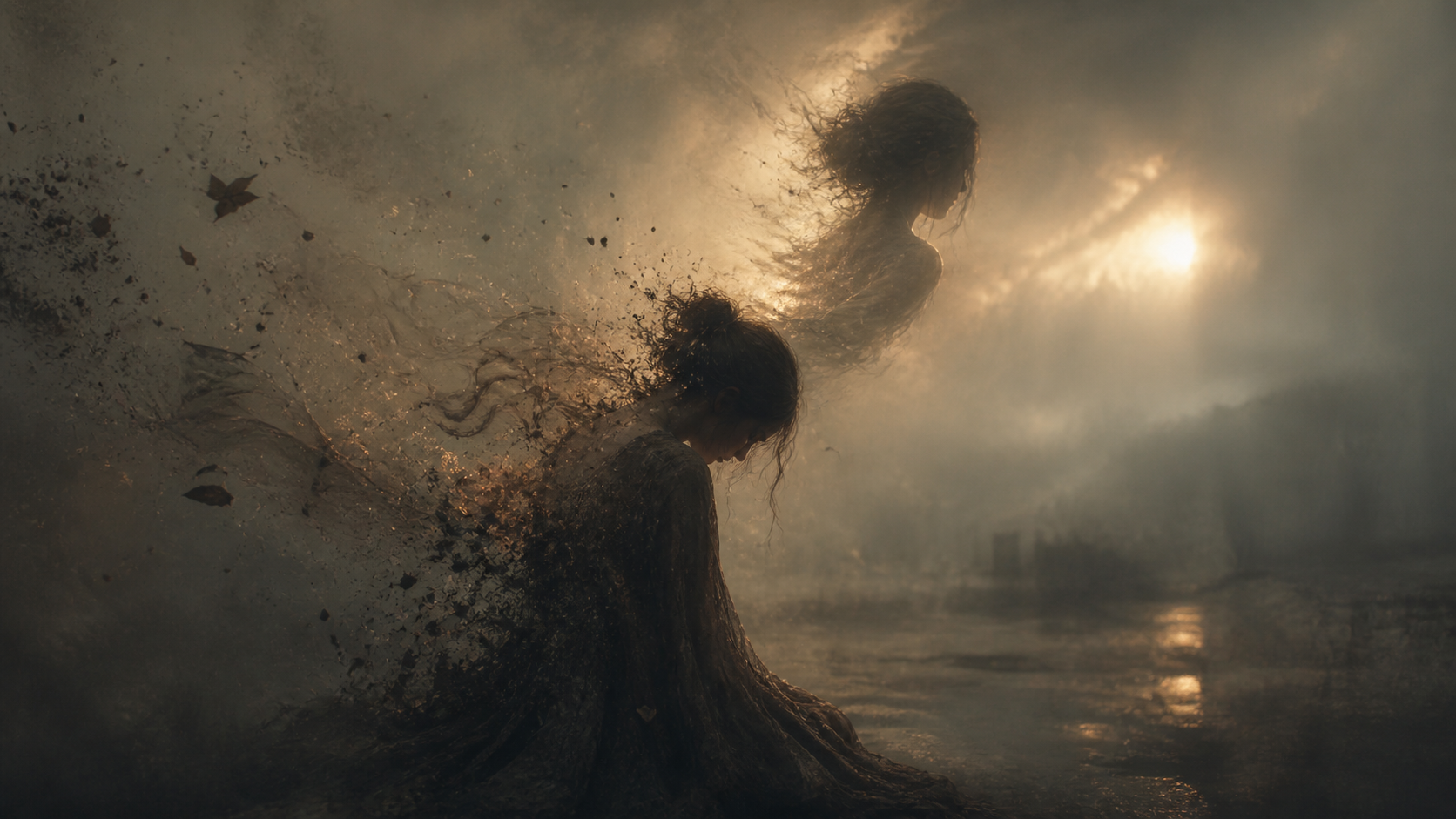
What Is Burnout? Why Do the Mind and Nervous System Become Exhausted in Modern Life?
Some kinds of fatigue don’t go away with sleep. You sleep for eight hours, but you still feel sluggish when you wake up in the morning. You go on vacation, but after a few days, that same sense of inner tension returns. You turn off your phone, but your mind won’t quiet down. You try to rest, but your body has lost the ability to truly relax.
This is where one of the deepest forms of fatigue experienced by modern people begins: burnout.
Burnout isn’t just about working too hard. It isn’t just about being overwhelmed, losing sleep, or getting through a few tough weeks.
Burnout is a state of wear and tear left behind by prolonged stress on the mind, body, and nervous system. The person still walks, talks, works, attends meetings, responds, and produces; but deep down, they’ve begun to withdraw.
From the outside, it looks as if everything is continuing as usual. Inside, however, the system is slowly shutting down.
What Is Burnout?
The World Health Organization does not classify burnout as a disease; rather, it defines it as an “occupational phenomenon” associated with chronic work-related stress that has not been successfully managed. This definition highlights three main dimensions: energy depletion or a feeling of exhaustion, emotional detachment from work or negativity/cynicism, and a decline in professional performance.
This definition is important because it distinguishes burnout from simply feeling “a little tired.”
Burnout is not merely a matter of low energy. The individual’s relationship with their work, responsibilities, daily life, and sometimes even themselves changes. Things that once felt meaningful become burdensome. Tasks that were once easy now seem like a mental burden. A person does not simply become tired; they begin to put an invisible distance between themselves and what they do.
That is why burnout is more than a simple complaint; it is a sign of strain at the levels of the mind, body, and nervous system.
Why Is the Mind So Tired in Modern Life?
People today aren’t just tired from working—they’re tired from being constantly stimulated.
Throughout the day, the mind is overloaded with too many things at once: messages, notifications, decisions, news, social media, to-do lists, financial worries, family responsibilities, the pressure to look a certain way, the rush to keep up…
The mind moves on to the next task before finishing the current one. A new thought begins before the previous one is complete. Attention is constantly divided.
For this reason, fatigue in modern life is often not physical, but rather cognitive and sensory. A person may be physically sitting still, but their mind has been racing for hours.
At a certain point, the brain becomes exhausted from trying to respond to every incoming stimulus. Focus diminishes, decision-making becomes difficult, and even small tasks create significant internal resistance. This is not laziness. More often than not, it’s because the system is overloaded.
Why Does the Nervous System Get Tired?
The nervous system is designed to protect humans from danger. During moments of stress, the body goes into alarm mode; heart rate, breathing, muscle tension, attention, and the hormonal system are all regulated according to this alarm. This mechanism is beneficial when it’s short-term. However, when stress persists for a long time, it creates a lasting burden on the body.
The American Psychological Association notes that prolonged chronic stress can create a long-term “drain”—that is, a continuous depletion effect—on the body; it can affect many systems, such as the cardiovascular, respiratory, muscular, digestive, and immune systems, through the autonomic nervous system.
That is why burnout is not merely a mental issue. The body is also involved in this process.
Constantly being on high alert, always being ready to respond, and constantly thinking about the next responsibility prevent the nervous system from entering a state of rest. A person wants to relax but cannot. They want to sleep, but their mind won’t stop. They have free time but feel guilty.
This is one of the greatest traps of modern life: People are now under pressure not only while working but also while resting.
What Are the Signs of Burnout?
Burnout does not manifest the same way in everyone. In some people, physical fatigue is more pronounced; in others, mental distraction stands out; and in still others, emotional numbness takes center stage.
The most common symptoms are as follows:
- Constant fatigue and low energy
- Waking up in the morning feeling unrested
- Difficulty concentrating
- Difficulty making decisions
- Lack of motivation toward work or responsibilities
- Emotional intolerance
- Overreacting to minor issues
- Sleep disturbances
- Physical tension, headaches, or muscle aches
- A feeling of “I don’t want to do anything”
- Decreased productivity and motivation
According to the WHO’s definition, burnout is characterized by energy depletion, emotional detachment from work, and a decline in professional performance. Therefore, interpreting these symptoms solely as physical fatigue is insufficient.
A person may still be working. They may still be fulfilling their responsibilities. But if their inner connection to life has weakened, this is a sign that should be taken seriously.
Are Burnout and Mental Fatigue the Same Thing?
They may seem similar, but they are not the same thing.
Mental fatigue can be a temporary strain resulting from intense thinking, prolonged concentration, or information overload. It can be resolved through rest, sleep, screen breaks, and a reduction in mental workload.
Burnout, on the other hand, is deeper and more persistent. It affects not only a person’s mental energy but also their attitude toward work, responsibilities, and sometimes even themselves. Rest alone may not be enough, because the problem is not just fatigue but the accumulation of long-term, unmanaged stress within the system.
It’s important to understand this distinction. Because it’s wrong to assume that every instance of fatigue is burnout; but it’s equally wrong to dismiss burnout by thinking, “It’ll go away with a little rest.”
Why Is Rest Alone Not Enough?
Because with burnout, the problem is often not “not getting enough sleep,” but rather the system being in a constant state of alarm.
A person may rest over the weekend, but if they return to the same stress cycle on Monday morning, the nervous system cannot truly recover. Short breaks are helpful, but when the root cause remains unchanged, the same fatigue builds up again.
That’s why, when dealing with burnout, it’s necessary to rethink the rhythm of life and how the workload is distributed.
A person should ask themselves the following questions:
“What is constantly draining me?” “Which
responsibilities are now more than I can handle?” “Is there any breathing room in
my life?” “Am I truly resting when
I’m resting, or am I just not working?”
These questions are not easy. But burnout often demands honesty before it takes a toll on the body.
Sensory Fatigue: An Invisible Form of Burnout
To understand modern burnout, it’s not enough to look only at the workload. There’s also a sensory load.
Constant screen light, loud noise, crowds, strong odors, enclosed spaces, rapid visual stimuli, notifications, and interruptions constantly stimulate the nervous system. People may not even notice this because it has come to seem like normal life.
But the body doesn’t consider this normal. Sensory fatigue results from a person being exposed to too many visual, auditory, and mental stimuli throughout the day. As a result, the person may feel inexplicably tense, scattered, restless, or exhausted.
Should Burnout Be Taken Seriously?
Yes. Burnout can seriously affect a person’s functioning, relationships, sleep patterns, emotional resilience, and quality of life, especially when it persists over a long period. Health resources also emphasize that chronic stress may be linked to issues such as anxiety, sleep problems, headaches, muscle tension, digestive problems, and memory and concentration issues.
There is an important distinction here: Reading about burnout can help a person understand themselves; however, if there are severe, long-term, or daily-function-impairing symptoms, professional support is necessary.
Especially if you experience intense hopelessness, prolonged depression, panic symptoms, loss of functioning, insomnia, thoughts of self-harm, or a feeling of being unable to carry on with life, this is no longer an issue that can be brushed aside with just a “well-being routine.”
Being honest with yourself is your greatest strength here.
Terra di Simana’s Perspective: Burnout Is a Sign of Disconnection
From Terra di Simana’s perspective, burnout is not merely a lack of energy. It is a sign of disconnection.
It is a disconnection from one’s own rhythm, body, nature, senses, and inner world. It is the weakening of the connection to the inner self while constantly responding to the outside world.
Modern life constantly tells us:
Keep going.
Keep up.
Respond.
Produce.
Be seen.
Do more.
Yet the body sometimes says the exact opposite:
Stop.
Slow down.
Breathe.
Turn inward.
That’s why understanding burnout isn’t just about listing problems. It’s about beginning to listen to one’s own inner system again.
Scent, ritual, connection with nature, body awareness, and small, repetitive actions can create supportive spaces here. Because the nervous system is regulated not only by thought but also by the senses.
A scent, a breath, a touch, a brief pause… Sometimes these convey this message to the mind:
“The danger has passed.
You can come back now.”
Burnout Is Not a Sign of Weakness, but a Signal
Burnout is not a sign of weakness. More often than not, it is a signal from a system that has been trying to stay strong for too long. It is the internal alarm of a person who has carried too much of a burden, been overstimulated, taken on too many responsibilities, and put themselves on hold for far too long.
That’s why it’s not enough to interpret burnout simply as “I need to plan better.” Sometimes the problem is an inability to set boundaries. Sometimes it’s an inability to get back into your rhythm. Sometimes it’s that your senses and nervous system simply can’t handle any more stress.
Understanding why the mind and nervous system become exhausted in modern life is the first step toward recovery. Because without recognizing what is draining them, people cannot choose what will help them heal.
Burnout tells us this: You can’t go on like this.
And while this statement may seem frightening, it actually holds a door within it.
Because sometimes what calls a person back to life isn’t showing more strength;
it’s finally stopping to listen to their inner voice.
You can draw on the power of nature to cope with burnout and restore balance to your daily life. In this article, we’ve answered the question “What Is Burnout?” and shared effective tips that can help reduce the symptoms of burnout.
You can visit our website at Terra Di Simana to find products that support both your physical well-being and your mental balance. Follow our Instagram account @terradisimana for the latest content, helpful information, and our new products.
To learn more about our products and discover the ones that are best suited for you, feel free to contact us and take advantage of our free consultation service. We’re always here to help you alleviate the symptoms of burnout and improve your quality of life with the peace and balance that nature offers.
Remember that the answer to the question “What Is Burnout?” isn’t just intense fatigue; it’s also an important sign that your body and mind need rest. Recognizing the signs of burnout early on can help you improve your quality of life and regain your inner balance.