FREE SHIPPING on orders of 4,000 TL or more



Blog
7 Ways to Support Mental Health: True Rest to Prevent Burnout

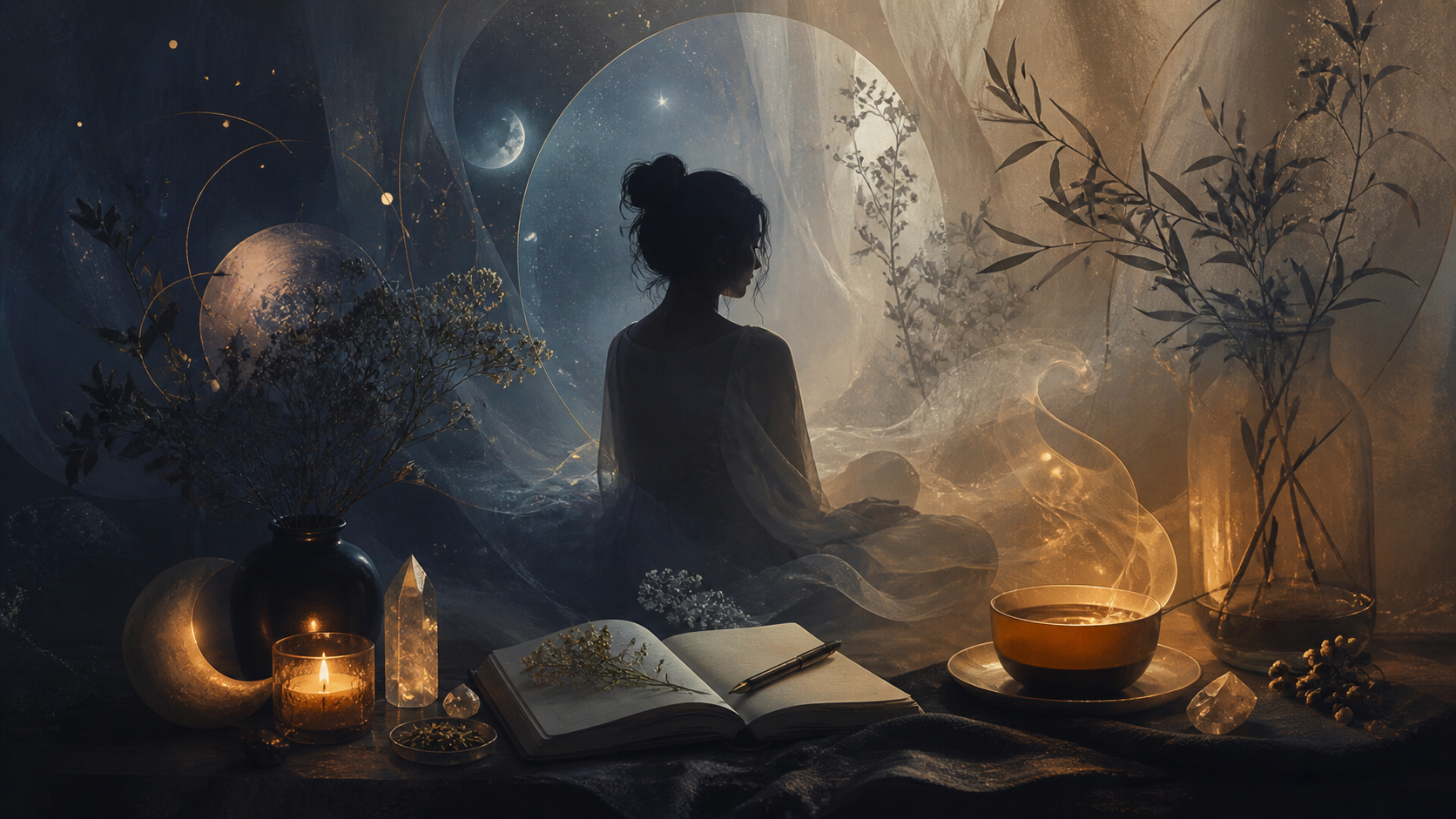
7 Ways to Improve Mental Health: Just Sleeping Isn’t Enough—You Need to Learn How to Truly Rest
[data-writing-block])>*]:pointer-events-auto R6Vx5W_threadScrollVars scroll-mb-[calc(var(–scroll-root-safe-area-inset-bottom,0px)+var(–thread-response-height))] scroll-mt-[calc(var(–header-height)+min(200px,max(70px,20svh)))]" dir="auto" data-turn-id="request-WEB:fb3f4fdb-4b92-4ff8-a8b3-0bb53447e19e-1" data-turn-id-container="request-WEB:fb3f4fdb-4b92-4ff8-a8b3-0bb53447e19e-1" data-testid="conversation-turn-4" data-scroll-anchor="false" data-turn="assistant">
Sometimes you get into bed, close your eyes, hours pass, and morning comes—but your body hasn’t rested at all. Your mind buzzes like an open window. Unfinished conversations, unanswered messages, postponed decisions, suppressed anger, and never-ending responsibilities swirl inside.
Here, we must accept this: Sleep is not always rest.
Sleep repairs the body; but a person is not just a body. The mind gets tired. The senses get tired. Emotions get tired. Social relationships are exhausting. A loss of meaning is exhausting. Even being deprived of beauty wears a person down.
That’s why, when it comes to mental health, simply saying “sleep more” often falls short. Of course, sleep is important; but to protect against burnout and support nervous system balance, we need a broader understanding of rest.
Dr. Saundra Dalton-Smith states that true recovery is linked not just to sleep, but to seven different types of rest: physical, mental, social, spiritual, sensory, emotional, and creative rest. The same study also emphasizes that even with sufficient sleep, a person can still feel deeply exhausted.
And let’s be honest: The problem for modern people is often not a lack of sleep; it’s trying to rest the wrong way.
1. Physical Rest: Stop Constantly Moving Your Body
Mental health cannot be separated from the body. If the body is constantly tense, the mind cannot remain calm for long.
Sometimes the muscles need to relax, the shoulders need to drop, the breath needs to deepen, and the body needs to receive the message, “I’m no longer at war.” Even sitting at a desk all day doesn’t count as rest; because inactivity also tires the body in a different way.
Physical rest begins by giving the body two things: recovery and relaxation.
Short walks, stretching, massage, a warm bath, gentle yoga, turning off screens early, and standing up during the day to become aware of your body’s weight all impact mental health… These may seem simple, but they send powerful signals to the nervous system. The NIMH also recommends self-care practices such as regular exercise, adequate sleep, relaxing activities, and spending time in nature to support mental health.
To put it in the words of Terra di Simana: The body is not a tool; it is the first home that carries you throughout the day. When that home grows weary, your mind cannot find peace within it.
At this stage, aromatic oil rituals that center the body can be used not just to smell good, but to reconnect with the body. A mindful application to the wrist, the abdominal area, or the soles of the feet creates a small but effective moment that reinforces the feeling of “I am here.” This, in turn, provides significant benefits for mental health.
2. Mental Rest: Quieting the Voice of Thoughts
Mental fatigue often stems from thoughts that never stop.
While doing one task, you’re thinking about another.
While resting, you’re planning for tomorrow.
While speaking, you’re formulating your next responses.
Before falling asleep, your mind starts a new meeting.
In this cycle, the mind never fully clears. Like an app that stays open, it consumes energy in the background.
It’s a mistake to think that mental rest means trying to force your thoughts to be silent. Taking notes, unloading the mental burden onto paper at the end of the day, setting three priorities for the next day, doing short breathing exercises, and taking small breaks from technology throughout the day all create space for mental rest. Many experts also recommend breathing exercises, guided imagery, writing, tech breaks, and mindfulness practices for mental rest.
Here, scent can serve as a powerful cue. Using the same scent at the same transition moment sends the message to the mind: “We’re slowing down now.” That’s why botanical room sprays can be thought of as the starting signal for a mental transition ritual.
A scent spreads.
Breathing changes.
The mind takes a step back from its previous pace.
Sometimes, this is the first thing needed for mental well-being: rather than completely letting go of thoughts, first turning down their volume a bit. Afterward, the mental well-being process progresses more quickly.
3. Sensory Rest: Reducing Light, Sound, and Scent
The most insidious form of fatigue in modern life is sensory fatigue. Screen light, notification sounds, crowds, traffic, bright advertisements, strong smells, enclosed spaces, people talking constantly… So many things bombard the senses throughout the day that by evening, a person can’t even understand why they feel restless.
Because fatigue is no longer confined to the mind alone. The eyes are tired, too. The ears. The nose. The skin.
Sensory rest isn’t about shutting out the world entirely. It’s about consciously reducing stimulation. Dimmed lighting, a quiet room, an hour without a phone, a gentle scent, a clutter-free desk, a short walk in nature… These send a message to the nervous system that “the load is easing.” Experts describe sensory rest as creating calm spaces away from electronic devices, walking in nature while paying attention to the senses, practicing a digital detox, and taking relaxing baths.
This is where the significance of wearable aromatherapy badges comes into play. Throughout the day, there are smells, sounds, and crowds that no one can control. But a person can carry a small sensory sanctuary with them.
Wearable aromatherapy, therefore, is not merely about “carrying a scent.” It is about establishing a personal boundary within a crowd. It offers the body and mind a more orderly, familiar, and calm sensory companion against the harshness of the day. It ranks among the top products beneficial for mental health.
4. Emotional Rest: Letting Go of the Need to Always Put on a Good Face
One of the most exhausting burdens is constantly trying to appear fine.
Saying “I’m fine.”
Saying “There’s no problem.”
Taking the high road.
Smiling.
Pretending you’re not hurt.
Acting as if you’re not angry.
Putting your own feelings on hold while managing everyone else.
Emotional rest means stopping the denial of one’s own emotions.
Sometimes this means talking openly with someone you trust. Sometimes it’s therapy. Sometimes it’s keeping a journal. Sometimes it’s simply being able to say, “I’m not doing well today.” Psychological science links emotional well-being to processing emotions in a healthy way, sharing them with someone you trust, developing self-compassion, and keeping an emotional journal.
Emotional well-being isn’t about staying positive all the time. In fact, this expectation can sometimes wear a person down even more. True emotional rest begins with censoring the truth within oneself a little less.
Terra di Simana’s ritual language reminds us of this: Sometimes a person needs to be accepted first, rather than purified. A scent, an oil, or an evening ritual may not resolve an emotion—but it can create a safe space where you can simply be with it.
Crystal-infused space and aura sprays can be an elegant starting point for transforming the sensory atmosphere of a space during these moments of transition.
5. Social Rest: You Can’t Be a Door Open to Everyone
Some people are restorative. Others are draining. This statement may sound harsh, but it’s true.
Social rest isn’t the same as being alone. It’s about stepping away for a while from relationships that drag you down, constantly demanding environments, social media feeds that fuel comparison, and the pressure to “always be available.”
What matters is connecting with relationships that support you and being able to say no to invitations that don’t serve you. Stepping away from social media comparisons is also part of this form of rest.
Social rest requires asking yourself:
Who do I feel lighter after spending time with?
After being around whom do I feel the need to explain myself, pull myself together, or heal?
Which environments truly do me good?
Which environments do I only go to out of a sense of guilt?
Setting boundaries for mental health is sometimes the most powerful form of rest.
And yes, saying “no” is also a form of rest.
6. Spiritual Rest: Reconnecting with Meaning
A person is not just about sleep, food, and work. There is also a need for meaning.
Spiritual rest doesn’t mean the same thing to everyone. For some, it’s prayer; for others, meditation; for some, sitting quietly in nature; for others, doing a good deed; and for still others, losing oneself in a creative process. What matters is that a person feels like a part of a greater whole.
For years, spiritual renewal has been described through practices such as purpose, belonging, gratitude, meditation, spending time in nature, and creating a sacred or quiet space at home—and this is true.
One of the deepest aspects of modern burnout is a loss of meaning. People don’t just get tired; they wither from the inside when they can’t find an answer to the question, “Why am I doing this?” That’s why spiritual renewal isn’t an abstract luxury. It restores a person’s sense of direction.
This is precisely why ritual is so important at Terra di Simana. Ritual implants a small marker of meaning into everyday life. Spraying a mist, applying an oil, or pinning on a badge is not a miracle in and of itself. But when done mindfully, it says:
“I choose to turn inward.”
7. Creative Rest: Remembering to Look at Beauty
Creative rest is connecting with beauty without the need to produce anything.
Looking at a painting.
Sitting in a garden.
Listening to music.
Noticing colors.
Paying attention to the shape of a flower, the texture of a stone, or how the sky changes color at dusk.
Creative rest is not about filling the mind with new ideas; it is about opening up space for inspiration to emerge. Creative rest is associated with practices such as engaging with beauty, art, music, spending time in nature, creative workshops, and play.
Modern people often consume beauty. They glance quickly, scroll, like, and move on. Yet beauty sends a different message to the nervous system when truly engaged with. Life is not just a to-do list.
Creative rest allows the mind to breathe. That is why a garden, a scent, a textured fabric, a stone, a candlelight, or a small, carefully prepared ritual space is not merely aesthetic. It can be a connection that waters the parched parts within a person.
A Small Daily Ritual for Mental Health
You don’t have to perfectly incorporate all seven types of rest into a single day. In fact, if you try to do so, you’ll end up turning rest into another item on your to-do list. This is the tragicomic skill of modern humans: setting performance goals for ourselves even while seeking healing.
When evening comes, dim the lights a bit. Put your phone away. Add a soothing aromatic touch to your space. Spend a minute observing your breath. Then notice the part of your body that’s most tense. If you need to center yourself, create a small ritual of physical contact using botanical oils. If you’re heading into a high-stress environment the next day, create a personal scent space that will accompany you throughout the day with a wearable aromatherapy pin.
Don’t think of this as “using a product.” Think of it as a signal given to yourself.
Stop.
Slow down.
Let go.
Turn inward.
True rest often begins with something this small. Don’t skip the small steps for your mental health.
Resting Isn’t About Doing Nothing—It’s About Recharging
The 7 paths to mental health actually boil down to one thing:
A person doesn’t get tired in just one way. That’s why they can’t rest in just one way.
The body gets tired. The mind gets tired. The senses get tired. The heart gets tired. Relationships wear you down. Meaninglessness wears you down. Even being cut off from beauty wears you down. For healthy mental well-being:
Sometimes by turning to the body.
Sometimes by clearing the mind.
Sometimes by turning off the screen.
Sometimes by acknowledging an emotion.
Sometimes by saying “no” to someone.
Sometimes by remembering what matters.
Sometimes simply by gazing at something beautiful for a long time.
Protecting yourself from burnout isn’t about never tiring yourself out. It’s about knowing where, how, and with what to recharge.
And perhaps most importantly: Rest is not a reward. It is a debt we owe to ourselves.
You can harness the power of nature to support your mental health and bring more balance to your daily life. In this article, we explored “7 Ways to Support Mental Health” and shared effective tips to strengthen your mental well-being.
You can visit our website at Terra Di Simana to support both your body and your mental health with our natural aromatherapy and crystal-infused products. Follow our Instagram account @terradisimana for the latest content, helpful information, and our new products.
To get detailed information about our products and discover the ones that best suit your needs, feel free to contact us and take advantage of our free consultation service. We’re always here to support your mental health with the peace and balance that nature offers. Remember, mental health is a topic that should never be neglected. By prioritizing your mental health, you can improve your quality of life and find inner peace.
mental health
mental health
mental health