FREE SHIPPING on orders of 4,000 TL or more



Blog
The Good Spirits in Turkish Mythology


The Unseen Masters of Nature and Ancient Spirits
When you enter a forest alone, you sometimes get a strange feeling. The wind doesn’t just feel like the wind. Water doesn’t just flow like water.
It’s as if there’s an unseen eye among the trees. It’s as if a guardian sits by the spring.
The ancient Turks knew this feeling well. Because in their world, nature wasn’t just made up of stone, earth, and water. In their world, everything had a spirit.
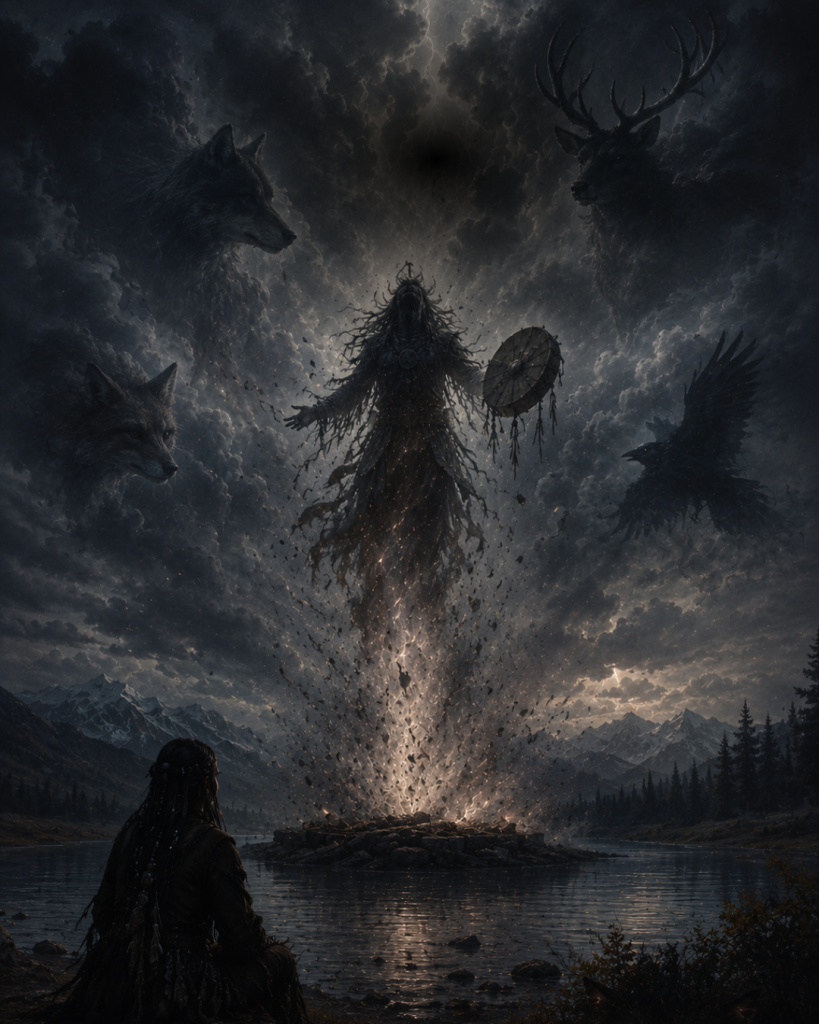
In Turkish mythology, these spirits were called “iye.”
In Turkish mythology, “iyes” are described as invisible beings that protect various aspects of nature and life. It was believed that a mountain, a body of water, a tree, and even a house had its own “iye.” For this reason, the ancient Turkish belief system viewed nature as a living order filled with spirits.
What Is an “İye”?
The Meaning of Nature Spirits in Turkish Mythology
In Turkish mythology, an “iye” refers to the guardian spirit of a place or entity. The word’s origin stems from Old Turkish, where it meant “owner, guardian, or master.”
However, this ownership does not imply possession in the conventional sense.
The iye of a tree is the spirit of that tree; the iye of a river is the guardian of that water; the iye of a house is the unseen owner of that hearth.
For this reason, in ancient Turkic mythology, the world is filled with countless nature spirits.
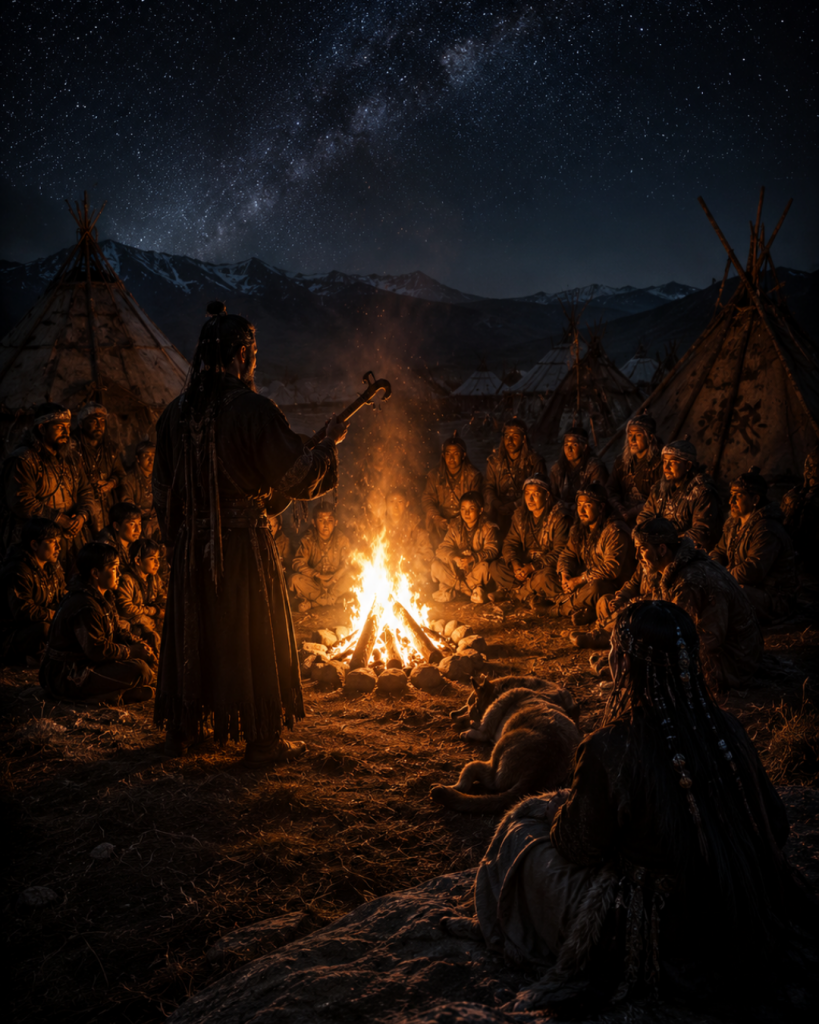
In shamanism and the ancient Turkic belief system, it was believed that these spirits lived in an invisible balance with humans.
If humans show respect for nature, the “iyeler” protect them. But it was believed that if nature were harmed, the “iyeler” would become restless.
Nature Spirits in Turkish Mythology
Water Spirits, Forest Spirits, and Mountain Spirits
In Turkic mythology, it was believed that every element of nature had its own spirit. For this reason, nature was seen not merely as a living space, but as a world inhabited by spirits.
Water Spirit
In Turkish mythology, the Water Spirit is the guardian spirit of springs, rivers, and lakes.
In ancient Turkic communities, it was customary to show respect upon reaching a body of water. This was because it was believed that angering the spirit of the water would bring disaster.
For this reason, small offerings were left at the water’s edge in many places.
Forest Spirit
In Turkish mythology, forests are described as mysterious places. It was believed that every tree and every path had a spirit.
The Forest Spirit was considered the guardian of the forest. Hunters would sometimes leave small gifts before entering the forest.
Mountain Spirit
Mountains were considered sacred in ancient Turkish beliefs. This was because the mountain peaks were the places closest to the sky.
For this reason, it was believed that every mountain had a mountain spirit. The small rituals performed before climbing a mountain were actually a way of greeting this spirit.
Tree Spirit
The Spirits of the Tree of Life
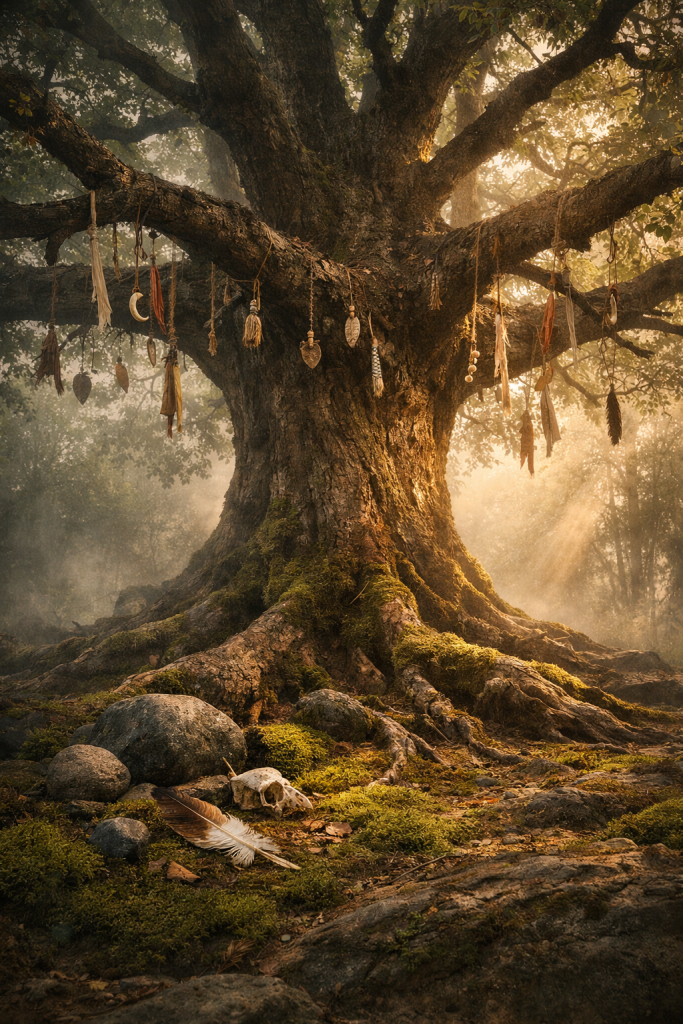
In Turkish mythology, the tree represents the connection between heaven and earth. For this reason, certain trees were considered sacred, and it was believed that they were inhabited by a tree spirit.
The ancient Turks were particularly reluctant to harm old trees, as they believed a spirit lived within them.
Sometimes, small pieces of cloth tied to tree branches are actually a silent greeting left for that tree’s spirit.
House Spirit
The Invisible Guardian of the Hearth
In Turkish mythology, just as nature was believed to be filled with spirits, so too was the human home. The best-known of these is the house spirit.
The house spirit was considered the protective spirit of the hearth and the household. The house spirit was sometimes thought of as an invisible member of the family.
The following traditions were common in old Turkish homes:
-
Keeping the hearth clean
-
Avoiding unnecessary noise in the home
-
Hanging small amulets to bring prosperity to the home
Spirits and Ancient Turkish Beliefs
The Silent Agreement Between Humans and Nature
Ancient Turkish beliefs were based on a kind of agreement with nature. If humans show respect for nature, the spirits will protect them. But if nature is harmed, its balance is disrupted.
For this reason, it is important to treat nature with care in the tradition of shamanism.
Polluting a body of water is not merely harming nature. Cutting down a tree unnecessarily is not merely a waste.
These actions were also considered acts of disrespect toward the spirit of that place.
What the Iyeler Remind Us of in the Modern World
Today, the iyeler may seem to many people like nothing more than a story from Turkish mythology.
But in reality, the iyeler remind us of a forgotten truth: Nature is a living entity.
Modern humans are trying to reconnect with nature. They are rediscovering an interest in the scent of plants, the quiet energy of stones, and small rituals.
Perhaps the reason for this is very simple: When humans sever their connection with nature, they also distance themselves from themselves.
The Silent Whisper of the Iyeler
The ancient Turks used to say:
When you enter a forest, walk slowly.
Because the forest is not alone.
The wind is not merely the wind.
Water is not merely water.
This world is filled with invisible spirits.
And in Turkish mythology, the
oldest of those spirits are called the iyeler.