FREE SHIPPING on orders of 4,000 TL or more



Blog
What Is the Lunar Cycle? Why Are Plants Harvested According to the Lunar Cycle? What Does Ritual Blending Mean?

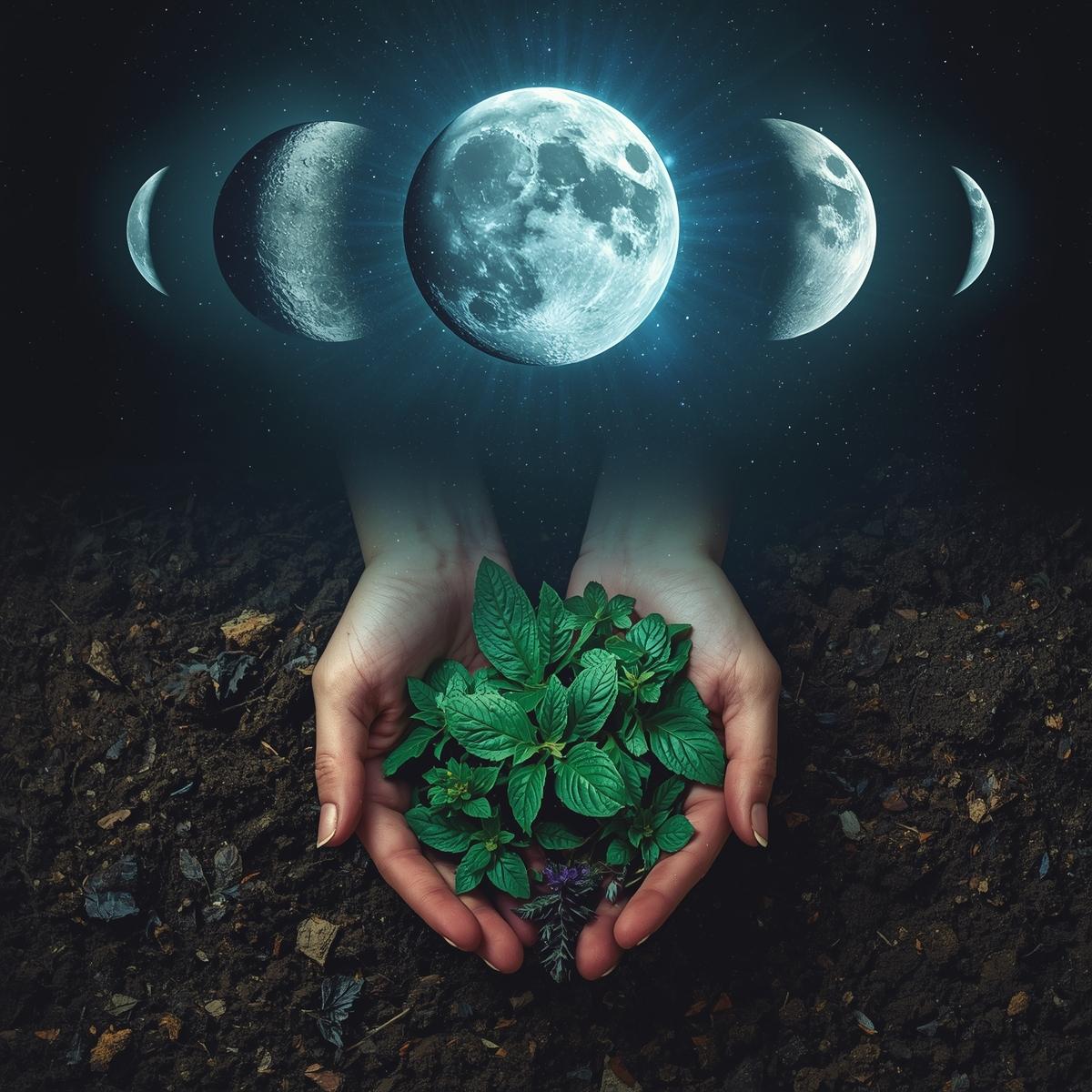
For thousands of years, humanity has read the sky like a calendar. The sun measured time; the moon, meanwhile, governed the rhythms of water, earth, body, and spirit…
Plants, just like the tides, respond to the moon’s gravitational pull. This is more than just an ancient belief; it is a fact supported by biology and physics:
-
The moon’s gravitational pull affects the movement of plant sap.
-
Intracellular water content, turgor pressure, and the concentration of volatile compounds vary according to the phases of the moon.
-
The soil moisture cycle and noctilucence determine the formation of aromatic compounds.
Modern botany explains these changes through gravitational pull, lunar illumination, and water pressure within plant cells. In ancient cultures, however, the moon was regarded as a divine guide to the rhythms of plant “breathing.”
At Terra di Simana, the foundation of “ritual-grade” production lies in combining this dynamic—which science can explain—with the intuitive rhythm of millennia-old healing wisdom.
– Harvesting Plants According to Lunar Phases
Ancient healers—from Turkish shamans to Anatolian herbalists, and from Ayurvedic masters to Druids—observed that plants carry a different “vital energy” during each lunar phase. This observation has been largely confirmed by modern phytotherapy today.
1. New Moon: The Phase When Root Energy Is Concentrated
The plant’s sap is drawn into the roots. Therefore, plants with energy concentrated in the roots, bark, and soil reach their highest concentration during this period. Phytochemical analyses show that starch and mineral levels increase in roots harvested during the new moon.
2. Waxing Moon: The Phase of Revitalization and Foliage
Photosynthetic activity increases; sap rises upward. This is the optimal time for plants with leaves, young shoots, and those that promote vitality.
3. Full Moon: Peak of Essential Oils and Aromatic Compounds
Full moon light boosts the production of terpenoids and polyphenols in plants. Therefore, aromatic plants such as lavender, rose, and rosemary are at their peak during this phase. Ancient healers have linked the “peak” of scents to this phase.
4. Waning Moon: Purification and Drying Period
This is the phase when water recedes and the plant rests. Purifying herbs, incense plants, and flowers intended for drying dry more evenly during this period.
– What Does “Harvesting in Sync with the Lunar Cycle” Mean?
This approach is not merely a romantic narrative; it is a repeatable, systematic production methodology. Harmonizing with the lunar cycle involves planning the processing of plants according to the phases of the moon:
-
New Moon: Grounding products, root oil bases, protective blends.
-
Waxing Moon: Preparation of revitalizing and rejuvenating products.
-
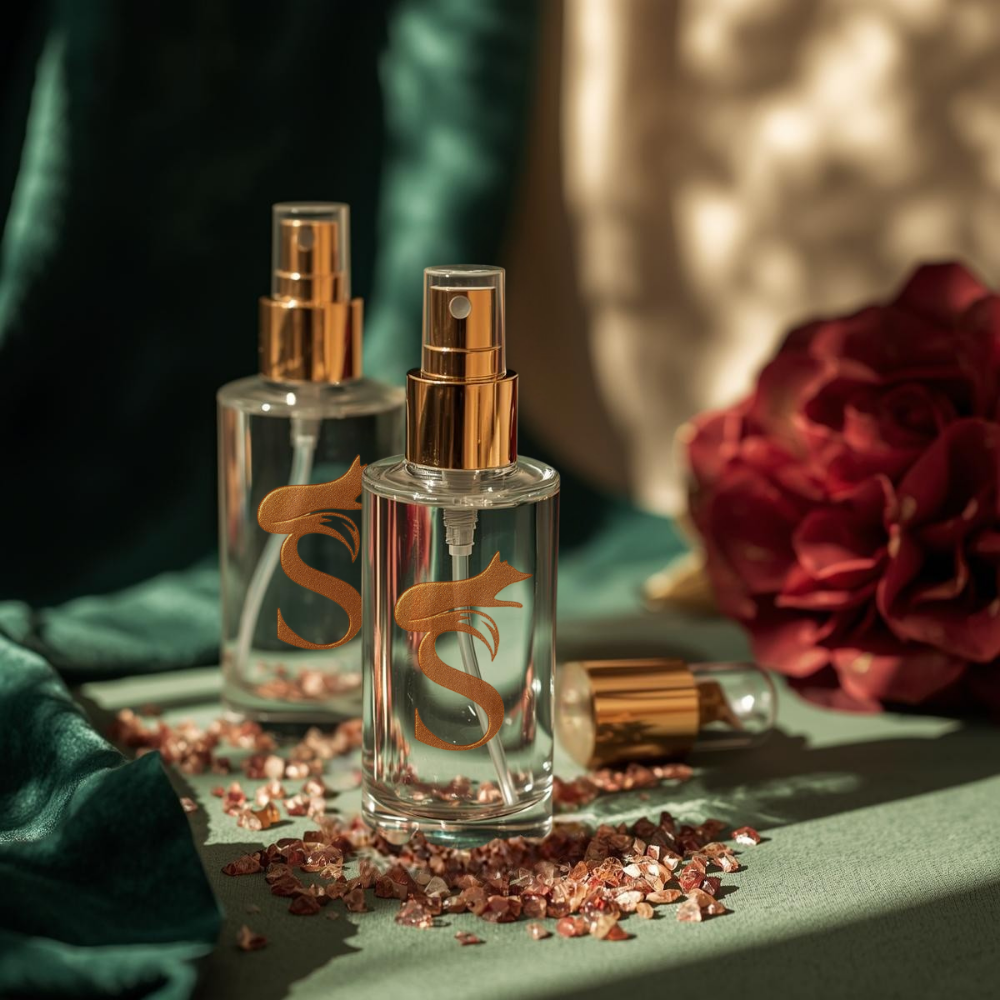
Full Moon: Aura sprays, crystal infusions, and the intensification of energy products.
-
Waning Moon: Purifying oils, salts, and protective blends.
This rhythm balances the product’s energy; it makes the blends more holistic on both the physical and resonant levels.
– How Does Terra di Simana Apply This Principle?
At Terra di Simana, the lunar cycle guides every stage of production:
-
Plants are harvested, dried, or macerated according to the biological advantages of each phase.
-
Hydrosols are distilled through a water ritual, typically initiated on the night of the Full Moon.
-
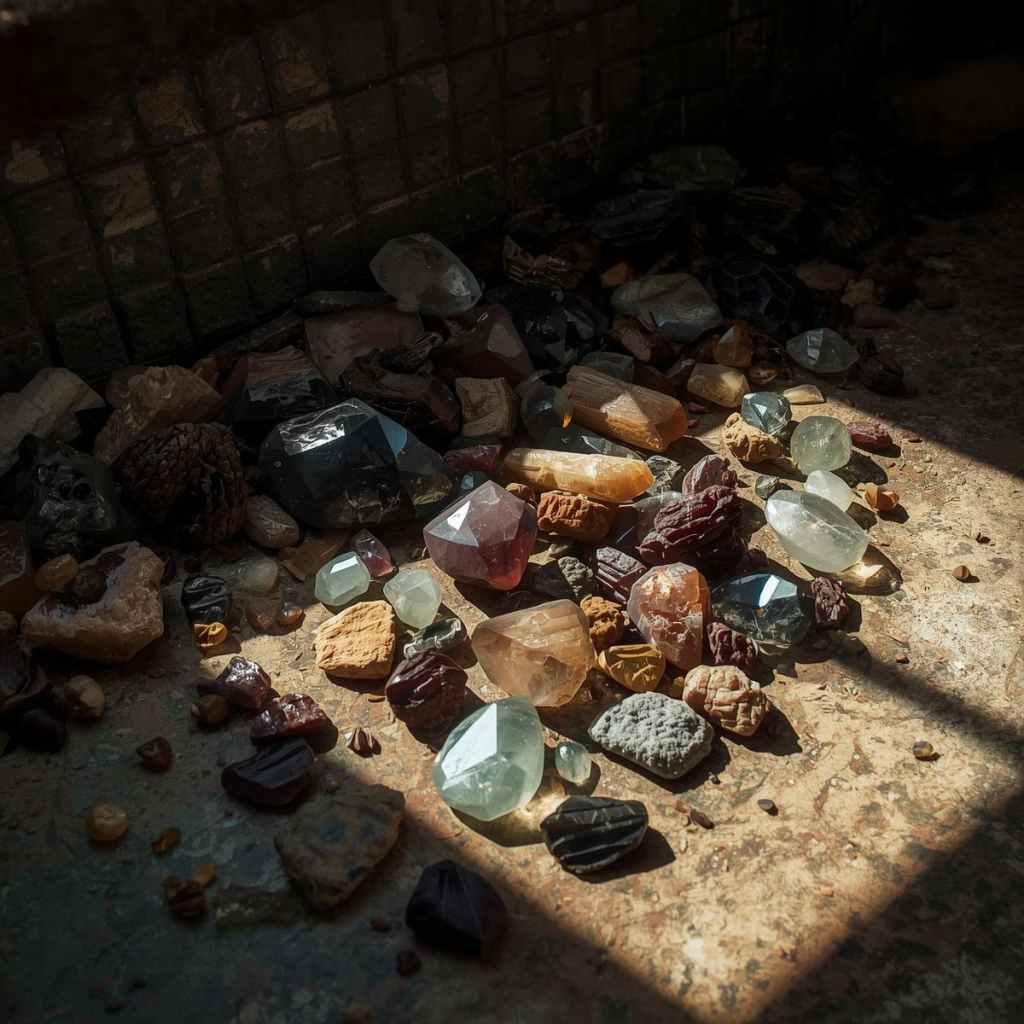
In crystal infusions, stones are selected according to the lunar phase and prepared through the transmission of intention between the New Moon and the Full Moon.
-
All products are produced in small batches, staying true to nature’s rhythm.
-
Each batch is evaluated according to the “ritual-grade quality” standard.
This method creates a threshold where scientific order meets the magic of ritual. Terra di Simana’s philosophy of “millennia-old remembrance” is born precisely here: in the shared rhythm of humanity, plants, and the moon.